Morning pages: rules, schedule, and tracker
Morning pages are three longhand pages written first thing each morning to clear mental clutter, taking 30 to 45 minutes as part of a 12-week practice.
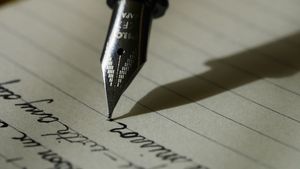
Morning pages are three pages of stream-of-consciousness, longhand writing done first thing every morning. Author and playwright Julia Cameron introduced the practice in her 1992 book The Artist's Way, designing it as a daily mental sweep to clear out self-doubt, trivial worries, and creative hesitation before your workday begins.
Most people who try morning pages stop within the first two weeks because they mistake them for a polished diary or an art project. Sitting with a blank page at 6:30 a.m. feeling pressured to write something clever or profound triggers writer's block, while trying to fit 40 minutes of handwriting around a rushed morning commute creates quiet frustration. Understanding the original rules and what the pages are actually for makes the habit much easier to sustain.
The 5 core rules of morning pages
You follow the same five guidelines every day:
- Write exactly three pages. Cameron specifies three full letter-size (8.5 × 11 inches) or A4 notebook pages every day. Writing only one page usually keeps you skimming across surface-level thoughts, while writing four or five pages risks turning the exercise into self-absorbed venting that drains energy you need for the rest of your day. Three pages is enough to empty the clutter without exhausting your morning.
- Write first thing upon waking. Do your pages immediately after getting out of bed, before checking your phone, reading email, looking at news, or talking to others. Your logical mind and inner critic are still groggy when you first wake up, making it much easier to write without censoring your thoughts.
- Write by hand with a pen. Cameron strictly advises against typing on a laptop or phone. Handwriting is tactile and moves at a natural physical pace of roughly 20 to 30 words per minute. That physical speed forces you to stay present with each thought, and it eliminates the urge to hit the backspace key or edit your sentences.
- Write stream of consciousness with zero judgment. There is no wrong way to do morning pages. Petty complaints, grocery reminders, weather observations, and repetitive whining are all welcome on the page. If your mind goes completely blank, write "I have nothing to say and I do not know what to write" over and over until another thought surfaces. Morning pages are not meant to be art; they are simply the mental dust you sweep away before doing real work.
- Never re-read or share your pages. Keep your notebook completely private. Never show your pages to a partner, friend, or coworker, and do not re-read them yourself for at least the first eight to twelve weeks. Re-reading raw pages early in the practice invites your inner critic back in to judge your handwriting or cringe at your complaints, which sabotages the consistency of the habit.
Morning pages vs. traditional journaling
Morning pages differ from personal diaries, gratitude logs, and planners in both their mechanics and their purpose:
| Practice | Daily format | Primary purpose | Review rule |
|---|---|---|---|
| Morning pages | 3 longhand pages | Clearing mental noise | Never re-read early |
| Personal diary | Flexible page length | Recording life events | Preserved for future |
| Gratitude journal | 3 to 5 bullet points | Noticing positive moments | Reviewed when needed |
| Bullet journal | Rapid task lists | Organizing daily tasks | Migrated every month |
A traditional diary preserves memories and milestone events for future reading. Morning pages do the opposite: they give your anxieties, petty resentments, and daily frustrations an immediate outlet on paper so you don't carry them into your conversations, creative work, or meetings. Once the thoughts are on the page, their job is done.
The Artist Date: the second half of the practice
Julia Cameron emphasizes that morning pages represent only half of the creative recovery process in The Artist's Way. Morning pages drain mental clutter, but you also need a deliberate way to refill your creative reserves.
The second required tool is the Artist Date, a weekly two-hour block of uninterrupted time that you spend entirely alone doing something that sparks curiosity or quiet delight. An Artist Date is not an errand, a chore, a networking lunch, or study time for work. It is purely playful exploration.
Good Artist Dates cost very little money and require minimal planning:
- Wandering an old bookstore or library to flip through art monographs, vintage maps, or poetry.
- Spending an hour walking slowly through a public botanical garden, nursery, or nature preserve.
- Browsing a local hardware store, flea market, or craft shop just to touch tools and textures.
- Sitting alone at an afternoon weekday movie matinee or visiting a local museum gallery.
Most people find scheduling the Artist Date harder than writing morning pages because giving yourself two hours of solo play feels self-indulgent when work deadlines press in. Protecting that weekly block keeps your morning pages from turning into dry, repetitive complaining.
Getting past the week-two resistance wall
Almost everyone who starts morning pages hits a wall of resistance between Day 10 and Day 20. The initial excitement of starting a new routine fades, your hand might feel sore, and your inner critic starts whispering that writing three pages of complaining is a waste of precious morning sleep.
That dip matches the standard pattern seen in how long it takes to form a habit: the first three weeks demand the highest conscious effort before neural pathways settle into an automatic routine. Three practical adjustments keep you moving through that dip:
- Switch your pen: If your fingers or forearm cramp on page two, you are gripping your pen too hard. Switch to a smooth rollerball, gel pen, or fountain pen that leaves a dark line with almost zero downward pressure on the paper.
- Protect your privacy: If fear of someone reading your notebook causes you to hold back on the page, buy a lockable box, tuck the notebook into a private bag, or shred the pages right after writing them. Cameron explicitly notes that burning or shredding pages is fine if that is what you need to be completely honest.
- Scale back on emergency days: If an early flight, a sick child, or an urgent morning deadline makes three full pages impossible, write one page or even three quick sentences instead of skipping the day entirely. Keeping the morning touchpoint active protects the momentum of the habit until tomorrow.
How to track your morning pages
You can use timespent to time your morning writing sessions and protect your weekly Artist Date without opening social media or work apps.
Create a Timed Activity titled "Morning Pages" with a 35-to-45-minute daily Do More goal. When you sit down with your notebook, start the timer so it runs quietly on your Lock Screen and in the Dynamic Island, letting you check your session time at a glance without unlocking your phone or seeing incoming notifications. Create a second Timed Activity for your "Artist Date" with a 2-hour weekly Do More goal to make sure your weekend excursion actually happens.
Group both Activities into an Unscripted Arc titled "The Artist's Way" to follow your cumulative days active and total practice hours over the 12-week program without a missed morning wiping out your progress, or pick a Habit Arc if you prefer tracking an unbroken daily streak. When you close your notebook, open Mood & Reflections in My Space to rate your morning energy from 1 to 5 and write a single reflection note on how clear your mind feels, keeping your paper pages private while building a long-term view of your focus. Automatic Moments celebrate your first session, crossing 10 total practice hours, and completing Day 84 on the final morning of the 12-week course.
Common questions
How long does it take to write 3 morning pages?
Writing three full letter-size pages longhand takes most people between 30 and 45 minutes, averaging roughly 10 to 15 minutes per page. Over the full 12-week course of The Artist's Way (84 consecutive days), writing three pages every morning adds up to 252 handwritten pages and substantial practice time:
| Daily pace | Weekly time | 12-week total | Total pages |
|---|---|---|---|
| 25 minutes a day | ~3 hours | 35 hours | 252 pages |
| 35 minutes a day | ~4 hours | 49 hours | 252 pages |
| 45 minutes a day | ~5 hours | 63 hours | 252 pages |
At an average of roughly 250 to 300 words per letter-size handwritten page, three pages equals 750 to 900 words per day. Over 84 days, 750 words × 84 days = 63,000 words, which is the length of a full non-fiction book. That volume also easily clears the benchmark in the 20-hour rule, giving you well over 40 hours of daily writing practice.
Can you type morning pages on a computer or phone?
You can type them if physical hand pain, arthritis, or a busy train commute prevents you from writing by hand, but handwriting remains the standard for good reason. Typing allows you to produce 60 to 80 words per minute, which lets your analytical mind stay in control and encourages you to hit the backspace key to fix phrasing. Handwriting slows your brain down to 20 to 30 words per minute, forcing you to sit with each feeling and write past your surface defenses. If you must type, turn off spellcheck and avoid editing what you wrote.
What size notebook should you use for morning pages?
Use standard 8.5 × 11 inch (US Letter) or A4 lined notebooks. Smaller journals, like pocket memo pads or A5 notebooks, fill up too quickly with only 100 to 150 words per page. That cuts the writing session short before you push past surface-level thoughts and reach the deeper feelings that actually need expression. Plain spiral-bound school notebooks work best because their low cost removes any pressure to make the pages look neat or artistic.
What should you do with your old morning pages?
Store your filled notebooks in a drawer, box, or closet and leave them alone for at least the first 12 weeks. If you live with roommates, family, or a partner and worry that someone might read your thoughts, you can shred or recycle the pages as soon as you finish writing them. The benefit of morning pages happens in the physical act of moving the pen across the paper, not in reading the notebook months later.